Artificial Turf Application Guide: Which Model Fits Landscape, Sports, Pet or Golf
Date: 2026-11-14 Categories: Industry News Hits: 324
Artificial Turf Application Guide: Which Model Fits Landscape, Sports, Pet or Golf
Most artificial turf problems are decided before a single roll is delivered. A surface that looks right in a sample book can still be the wrong construction for the feet, balls, paws or putters that will use it — and once the base is built, changing the model is expensive. This guide works from the scenario side instead: it takes six Venusturf reference models and maps each one to the project conditions it actually fits.
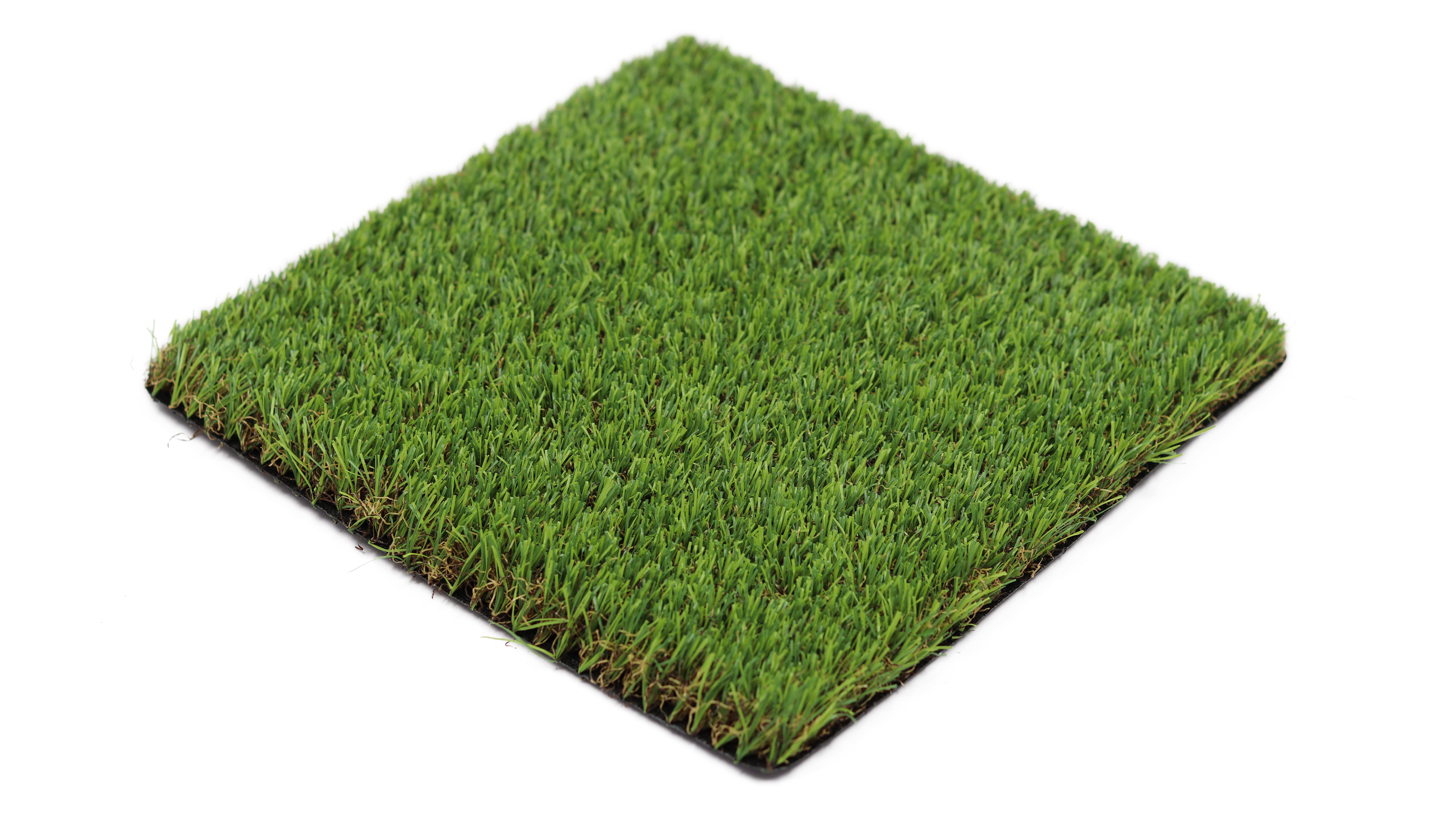
Short answer: pile height sets the scenario band; gauge and stitch density determine how that band is built; yarn shape sets appearance and hand feel; the backing determines how the surface interacts with the base and drainage. The six models in this guide occupy six distinct bands — Putt 40 Golf Grass at 15 mm, EM24071902 at 25 mm, EM240404 at 30 mm, EM24081501-1 Pet Grass at 35 mm, EM241007 at 45 mm and EM250105 Football Grass at 50 mm.
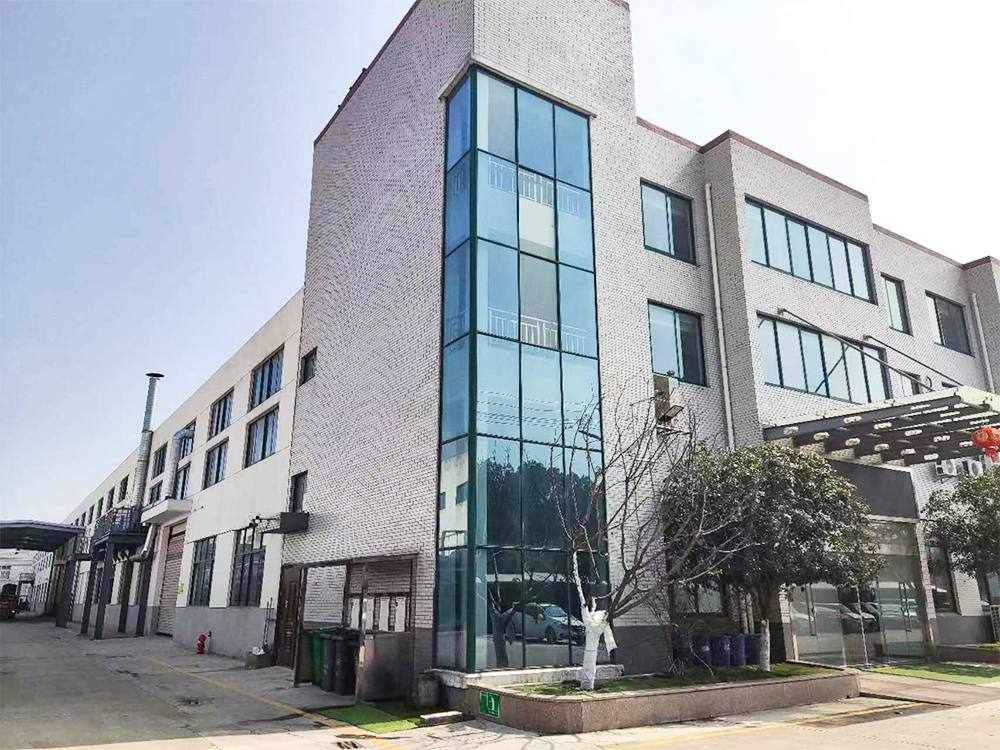
Venusturf is the brand of Wuxi Venus Turf Co., Ltd., an artificial turf manufacturer based in Wuxi, Jiangsu, China, supplying sports, landscape, commercial, pet and golf turf. Company-reported figures include 30 integrated production lines covering yarn extrusion, twisting, tufting, coating and packaging, a 25-engineer R&D team, an annual output of 106,000 units and an export share of 80% of production.
Problem Definition: What a Model-to-Scenario Mismatch Looks Like
A model-to-scenario mismatch is a construction that is internally consistent — it has a specification sheet, it comes off a controlled line — but is applied to conditions it was never built for. The specification is not the error. The pairing is.
In practice, mismatch appears in five recurring patterns:
- Appearance-led pile height. The model is chosen from a photograph or a showroom sample, before traffic type, footwear, ball interaction and drainage are written down.
- Density read as a quality score. Putt 40 sits at 63,000 stitches/m² and EM250105 at 11,340 stitches/m², yet neither ranks above the other. One number describes a 15 mm putting surface; the other describes a 50 mm football construction where yarn size and infill carry part of the load.
- Backing treated as an afterthought. The backing is confirmed after the base and drainage design are already fixed, so the surface has to be accommodated rather than specified.
- Yarn geometry ignored. Two models with identical pile height and density can read completely differently at close range because the fibre shape differs.
- Standards assumed rather than mapped. A standards listing is treated as a certificate, and a performance claim is never linked to a named test method.
Mismatches rarely fail on delivery day. They surface later — as a surface that plays faster or slower than the project brief assumed, as appearance change under concentrated traffic, or as drainage that cannot be reconciled with the base once the installation is complete. All three sit at the intersection of the parameters covered below.
Industry Background: Why Scenario Matching Became the Hard Part
Artificial turf is not one market with one buyer requirement. Published segment lists describe sports stadiums, residential lawns, commercial landscapes, playgrounds and recreational facilities as separate end uses, and those end uses differ in traffic type, footwear, ball interaction, chemical exposure and maintenance expectation. Application fragmentation is still moving: the Playtomic and PwC Padel Global Report counts 77,300 padel courts worldwide by late 2025/early 2026, with 14,355 new courts built in 2025 alone — a dedicated surface category with its own performance expectations.
Headline market sizing is a weak input for this decision. Mordor Intelligence estimates the global artificial turf market at approximately USD 7.31 billion in 2026, while Precedence Research states USD 7.93 billion for 2026 and projects about USD 16.51 billion by 2035. Part of that spread is definitional rather than directional: at least one publisher scopes the market to production, installation and maintenance of synthetic grass systems, so the figures are not directly comparable. For a buyer choosing between models, those numbers change nothing; the model-level specification changes everything.
The standards layer has also shifted toward the installed system rather than the roll. FIFA's Quality Programme for Football Turf specifies a vertical ball rebound between 0.60 m and 0.85 m for FIFA Quality Pro surfaces — a property of turf plus infill plus base, not of grass alone. ASTM's artificial turf listing covers test methods for impact attenuation, lead content in fibers, permeability, hazardous metals in infill, abrasiveness, field sampling, surface characterization, filament bind, PFAS sampling, sieve analysis and PAH content.
Materials also carry experience-level consequences that specifications alone do not capture. Cornell University's sports field management guidance lists an artificial and unnatural feel and a strong odour — particularly where rubber infill is used — among synthetic turf drawbacks, while counting constant green appearance as an advantage. Scenario matching has to hold measurements and user experience in the same decision, which is exactly what the five parameters below are for.
Detailed Solution: The Five Parameters That Decide Which Model Fits
1. Pile height sets the scenario band first
Pile height is the fastest filter because it changes both the visual profile and the way the surface meets a foot, a ball or a putter. Across the six Venusturf models the band runs from 15 mm to 50 mm, and each step corresponds to a different use rather than a different quality level.
- 15 mm — Putt 40 Golf Grass. A short, two-colour curled PE construction built for putting and short-game surfaces.
- 25 mm — EM24071902. A short pile with the highest stitch density of the four 3/8-inch models, positioned as commercial grass.
- 30 mm — EM240404. A mid-profile residential construction.
- 35 mm — EM24081501-1 Pet Grass. The only model in the range specified with pet glue in the backing.
- 45 mm — EM241007. A deep-profile residential and landscape grass with a U-shape-with-spine yarn.
- 50 mm — EM250105 Football Grass. A sports construction on a 5/8-inch gauge, where infill and yarn size complete the system.
A practical rule: choose the lowest pile height that satisfies the visual brief and the use, then use yarn geometry and stitch density to add the performance the project needs. A taller pile chosen only for appearance does not by itself improve how a surface handles traffic.
2. Gauge sets the ceiling on density
Gauge is the spacing between tuft rows, and it limits how dense a surface can be built before stitch rate becomes impractical. Three gauges appear in this range: 3/16 inch on Putt 40, 3/8 inch on EM241007, EM240404, EM24071902 and EM24081501-1, and 5/8 inch on EM250105.
A finer gauge places more tuft rows across the same width, which is why the 3/16-inch golf model reaches 300 stitches per metre and 63,000 stitches per square metre on a 15 mm pile. The 5/8-inch football model runs 180 stitches per metre and 11,340 stitches per square metre on a 50 mm pile — fewer, wider-spaced tufts, with heavier yarn and infill doing the work the spacing gives up.
3. Stitch density describes a construction, not a ranking
Stitch density in stitches per square metre is the product of gauge and stitch rate, and reading it as a quality score is the most common error in turf selection. The six models illustrate why:
- 63,000 stitches/m² (Putt 40) describes a dense, very short putting surface.
- 18,900 stitches/m² (EM24071902) describes a short commercial pile built for visual consistency.
- 15,750 stitches/m² (EM241007) and 14,700 stitches/m² (EM240404) describe two landscape profiles at different pile heights.
- 10,500 stitches/m² (EM24081501-1) describes a 35 mm pet construction with a dedicated backing.
- 11,340 stitches/m² (EM250105) describes a 50 mm football construction on a wide gauge.
Density is only comparable inside the same pile height band. Across bands it is a description of how a surface was built, and the buyer's question should be which construction the scenario requires — not which number is larger.
4. Yarn shape and polymer decide how the surface reads
Fibre geometry influences how a tuft recovers, how light reflects from the surface and how it feels underfoot or underhand. All six models use PE and PP; the difference is shape.
- EM241007 (45 mm): U shape with spine monofil PE + curled PP.
- EM250105 (50 mm): U with spine shape monofil PE.
- EM24071902 (25 mm): U shape monofil PE + curled PP.
- EM240404 (30 mm): C shape monofil PE + curled PP.
- EM24081501-1 (35 mm): S shape monofil PE + curled PP.
- Putt 40 (15 mm): curled PE throughout.
Five of the six combine a monofil PE blade with a curled PP component, which is what produces a textured, multi-tone surface at close range. The golf model uses curled PE on its own for a putting surface, and the football model lists monofil PE with spine only. Because geometry affects hand feel and light reflection more than any figure on a datasheet, the practical check is a physical sample viewed under the lighting of the actual project.

5. The backing decides how turf meets the base
Backing is where a surface product becomes a construction detail. Four backing configurations appear in the range:
- Double PP + PU glue: EM241007 and Putt 40.
- PP + Mesh + SBR Latex: EM240404 and EM250105.
- PP + Net + Latex: EM24071902.
- Double PP + Net + Pet glue: EM24081501-1 Pet Grass.
Drainage design is where backing meets civil engineering. Technical documentation for runoff modelling notes that artificial turf runoff calculation requires an effective curve-number value, which is sometimes obtainable from the turf supplier. That makes permeability and drainage data a tender item rather than a post-award detail, and it is the reason the backing should be confirmed before the base design is frozen.
Step-by-Step Breakdown: A Seven-Step Matching Sequence
The sequence below runs from scenario to written specification. It is deliberately ordered so that every parameter decision is made after the condition it has to satisfy is documented.
- Write the scenario, not the product. Record who uses the area, footwear and traffic intensity, sun and shade, substrate, drainage route, and whether balls, paws, furniture or vehicles will contact the surface.
- Set the performance requirement. For sports, name the behaviour that matters — for a football surface, FIFA Quality Pro specifies a vertical ball rebound of 0.60–0.85 m at system level. For landscape and commercial areas, name appearance retention, hand feel and tolerance of the infill odour question raised in university guidance on rubber infill.
- Translate requirements into a pile height band. Use the six-model map: 15 mm putting, 25 mm commercial, 30 mm residential, 35 mm pet, 45 mm deep landscape, 50 mm football.
- Pick the gauge and stitch density inside that band. Decide whether the surface should be dense and short (finer gauge, higher stitch rate) or wide and structured (coarser gauge with heavier yarn).
- Choose yarn shape and polymer against the appearance brief. U-with-spine, U, C and S geometries and the curled PP component sit in different models; select with a physical sample in hand.
- Fix the backing against the base design. Confirm the backing configuration and request permeability and drainage data, including the effective curve number where runoff modelling is required.
- Validate and write it down. Compare candidate samples against the scenario brief, then lock the model, pile height, density, colour, backing and quantity into a written specification before any order is placed.
Use Cases: Scenario Fits, Model by Model
Residential and landscape: EM241007 or EM240404
Both models share a 3/8-inch gauge and a four-colour surface, so the decision rests on profile and backing. EM241007 offers a 45 mm pile at 150 stitches/m and 15,750 stitches/m² with a U-shape-with-spine yarn and Double PP + PU glue backing — the deeper visual profile. EM240404 offers a 30 mm pile at 140 stitches/m and 14,700 stitches/m² with a C-shape yarn and PP + Mesh + SBR Latex backing — a lower-profile residential construction. Where the brief is depth and softness of appearance, the 45 mm model leads; where a tighter, lower surface is wanted, the 30 mm model does.
Commercial and hospitality: EM24071902
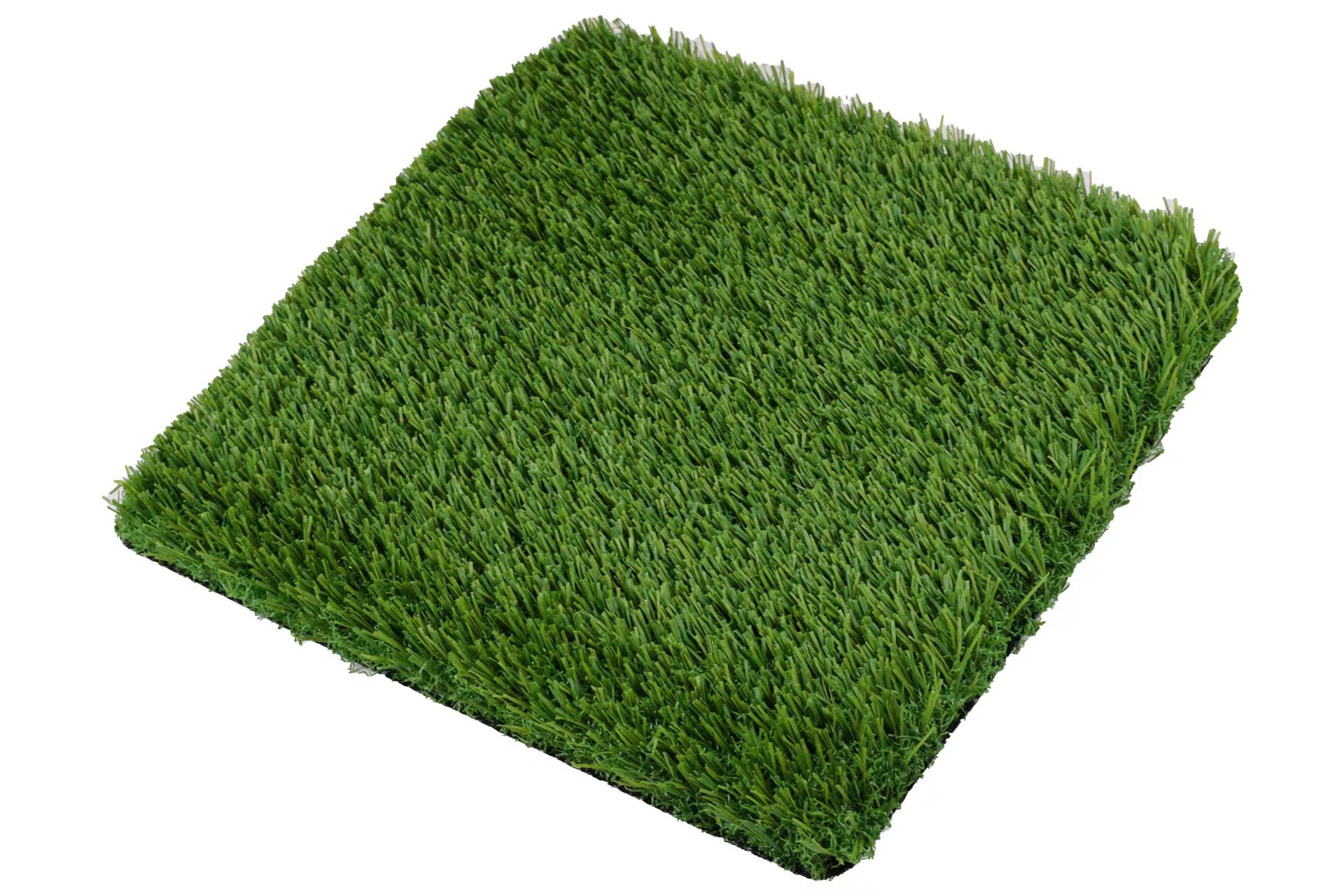
At 25 mm with 180 stitches/m and 18,900 stitches/m², EM24071902 carries the highest stitch density of the four 3/8-inch models on the shortest pile outside the golf range. That combination — short profile, dense surface, PP + Net + Latex backing — is what distinguishes it from the landscape models when the area is a visible, frequently viewed commercial or hospitality space rather than a private lawn.
Pet areas: EM24081501-1
The pet model is the only construction in the range that specifies pet glue: 35 mm pile, 3/8-inch gauge, 100 stitches/m and 10,500 stitches/m², S shape monofil PE + curled PP yarn, Double PP + Net + Pet glue backing. Its density is intentionally lower than the landscape models, which is why comparing the two on stitches per square metre alone would produce the wrong conclusion. Where a household combines pets with children's play, confirm the intended dominant use before selecting, because the pet construction is specified for the pet scenario.
Golf and putting: Putt 40
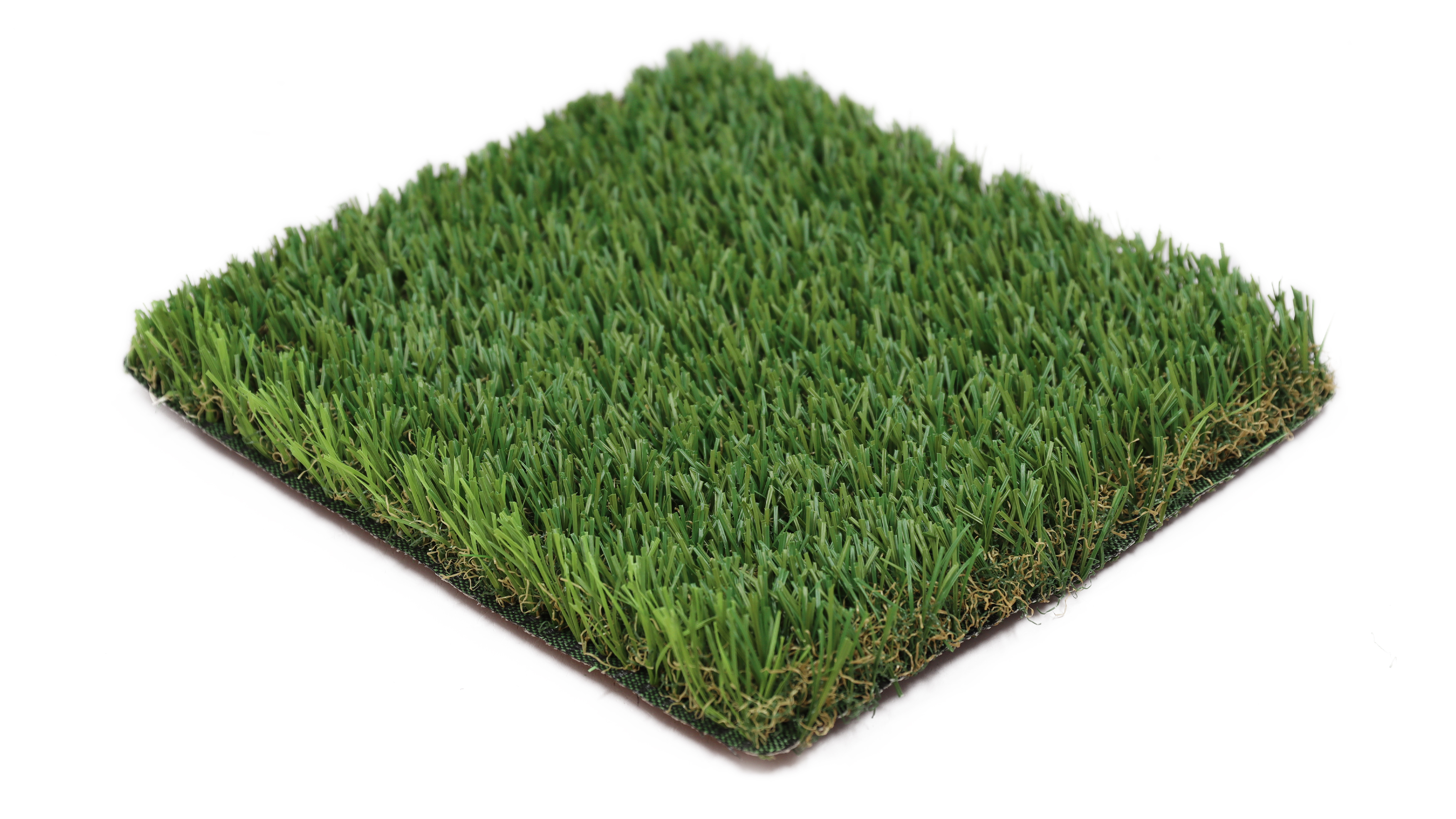
Putt 40 is a putting construction, not a general short grass: 15 mm pile, two-colour curled PE yarn, 3/16-inch gauge, 300 stitches/m and 63,000 stitches/m², on Double PP + PU glue. That density at that pile height exists to give a consistent rolling surface. Where a project involves a golf hitting mat in addition to a putting area, treat the two as separate specifications — the loads and the contact pattern differ, so the mat requirement should be confirmed with the supplier rather than inferred from the putting model.
Football and full-size sports fields: EM250105
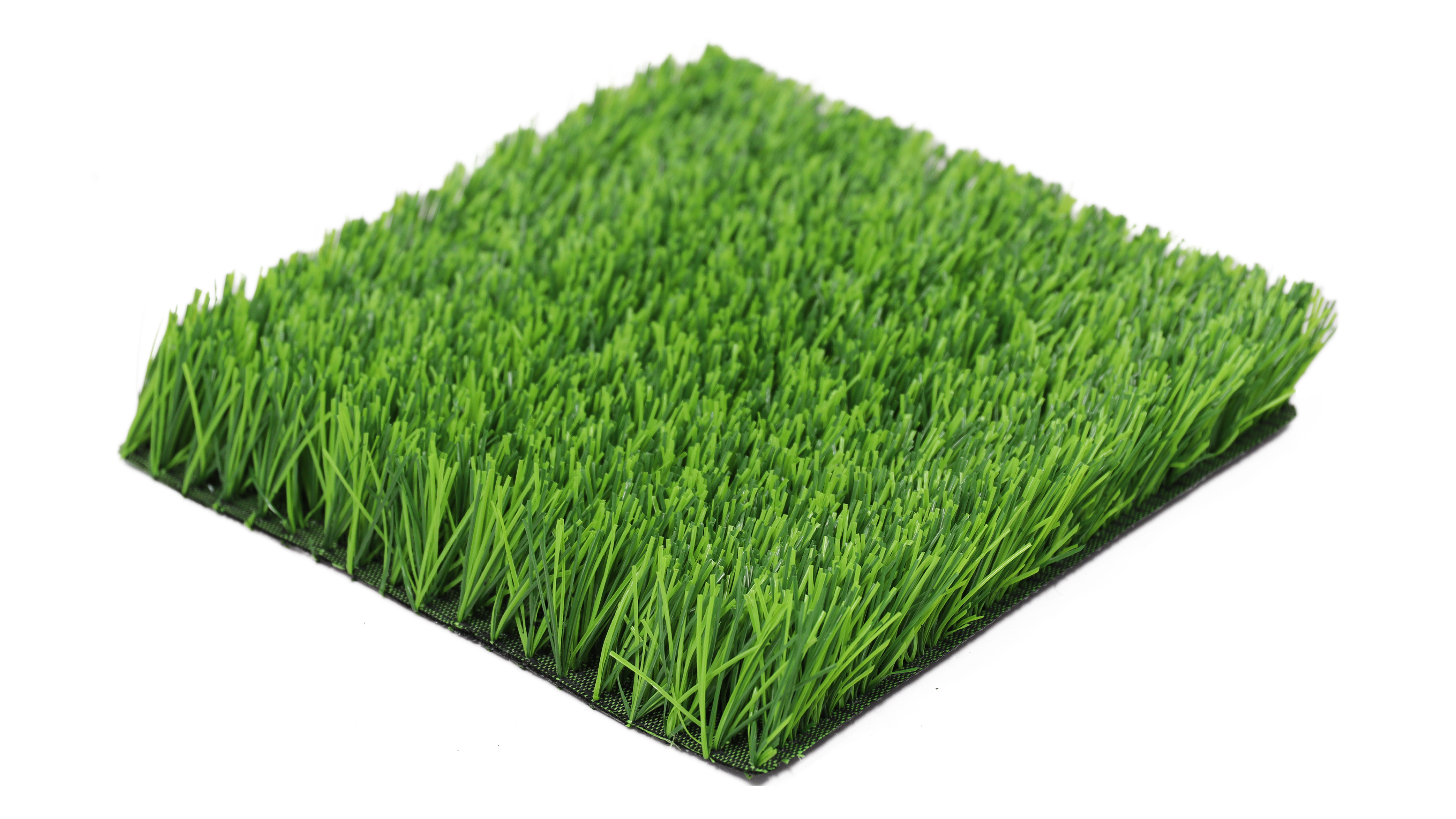
EM250105 is the widest construction in the range: 50 mm pile, 5/8-inch gauge, 180 stitches/m and 11,340 stitches/m², U with spine shape monofil PE yarn and PP + Mesh + SBR Latex backing. Because rebound and ball behaviour are properties of the installed system, FIFA Quality Pro compliance for a football pitch would be assessed on the completed surface — turf, infill and base together — and not on the roll alone. Buyers should specify the target performance level and then request the corresponding test evidence for the delivered system.
Multi-purpose areas: choose the dominant use first
A single model rarely serves a garden, a pet run, a ball area and a decorative border equally well. The workable approach is to name the dominant use and its model, then accept a defined compromise for the secondary uses — for example a pet-specified surface where pets dominate, or a landscape model where appearance dominates and pet traffic is occasional. Documenting that compromise at specification stage prevents a later dispute about which model should have been ordered.
Comparison Table: Six Venusturf Models Side by Side
The table below uses published model data only. Every figure is a construction description; none of them ranks one model above another.
| Model | Type | Pile height | Gauge | Yarn | Density | Backing | Typical scenario |
|---|---|---|---|---|---|---|---|
| Putt 40 | Golf Grass | 15 mm | 3/16 inch | Curled PE | 300/m; 63,000/m² | Double PP + PU glue | Putting greens and short-game practice areas |
| EM24071902 | Commercial Grass | 25 mm | 3/8 inch | U shape monofil PE + curled PP | 180/m; 18,900/m² | PP + Net + Latex | High-visibility commercial and hospitality areas |
| EM240404 | Residential Grass | 30 mm | 3/8 inch | C shape monofil PE + curled PP | 140/m; 14,700/m² | PP + Mesh + SBR Latex | Residential lawns and general landscape |
| EM24081501-1 | Pet Grass | 35 mm | 3/8 inch | S shape monofil PE + curled PP | 100/m; 10,500/m² | Double PP + Net + Pet glue | Pet areas and pet-dominant household use |
| EM241007 | Residential Grass | 45 mm | 3/8 inch | U shape with spine monofil PE + curled PP | 150/m; 15,750/m² | Double PP + PU glue | Deeper-profile landscape and residential areas |
| EM250105 | Football Grass | 50 mm | 5/8 inch | U with spine shape monofil PE | 180/m; 11,340/m² | PP + Mesh + SBR Latex | Football pitches and full-size sports fields |
FAQ
Which standards or test methods should a turf model be checked against before I approve it?
Start with the test method, not the certificate name. ASTM's artificial turf listing covers methods for impact attenuation, lead content in fibers, permeability, hazardous metals in infill, abrasiveness, field sampling, surface characterization, filament bind, PFAS sampling, sieve analysis and PAH content — but the listing identifies methods, not approvals, and it does not establish which requirements are legally mandatory in your market. For football surfaces, FIFA's Quality Programme adds system-level criteria, including a vertical ball rebound of 0.60–0.85 m under FIFA Quality Pro. The practical rule is to map each performance claim in the specification to a named test method and a laboratory report for the delivered system; a supplier's standards list should never be read as a completed compliance file.
Can a model be adjusted to a scenario instead of switching to another model?
Customization is possible within defined limits. Venusturf states that pile height, colour, density and material can be customized to meet specific project needs, and the production setup — 30 integrated lines from yarn extrusion and twisting through tufting, coating and packaging, with a 25-engineer R&D team — supports specification-level changes rather than colour-only swaps. Gauge is not listed among the customizable parameters in the published model data, so a project requiring a non-standard tuft spacing should be raised as a development question rather than assumed.
Why is there no fixed price per square metre for these models?
Venusturf does not publish price bands per square metre for these models, and no quotation is included in this guide. The cost driver is the specification itself: pile height, stitch density, yarn geometry and polymer, backing configuration, customization and order quantity all change what a roll costs to produce, and freight and trade terms change the landed figure. The reliable route is to send a written specification for quotation, so any two suppliers are pricing the same construction rather than two different ones.
How should I validate a model before committing to a full order?
Request samples of two or three candidate models rather than one, then compare each sample against the scenario brief instead of against each other: pile height against the intended use, stitch density within its own pile height band, yarn geometry against the appearance requirement, and backing against the drainage and base design. Requests for samples and specification questions can be sent to info@venusturf.com.
What lead time should I plan for?
No standard lead time is published for these models. Production timing depends on whether the order uses a catalogue specification or a customized one, on quantity and backing choice, and on the shipping terms agreed — so lead time belongs in the written quotation rather than in a general estimate. Plan base works and delivery in parallel, and confirm dates in writing before the base is finalized. To start, send the scenario description, the candidate models and the target quantity to info@venusturf.com or +86-189-6171-8197.
Conclusion: Match the Condition, Then the Model
Model-to-scenario matching is a sequencing discipline more than a specification lookup. Pile height narrows the field to a band; gauge and stitch density decide how that band is built; yarn geometry decides how the surface reads and feels; the backing decides whether the surface and the base design agree. Run in that order, the six Venusturf models resolve into clear assignments — Putt 40 for putting surfaces, EM24071902 for dense short commercial areas, EM240404 for standard residential lawns, EM24081501-1 for pet areas, EM241007 for deeper landscape profiles and EM250105 for football.
Run in the wrong order — model first, conditions later — the same six models produce a surface that is technically correct and functionally wrong. The written specification, the sample comparison and the drainage data request are the three steps that separate the two outcomes, and none of them requires a market forecast to complete.
Next Step
Send the project scenario — use, traffic, substrate and drainage route — together with the candidate models, and Venusturf will confirm which construction fits before a specification is written.
Email: info@venusturf.com | Tel: +86-189-6171-8197 | Website: www.vtsyntheticturf.com
Download the Venusturf product brochure (PDF): Venusturf Artificial Turf Catalogue