
Artificial Turf 101: Residential, Commercial, Pet, Golf, and Football Grass Categories
Date: 2026-09-25 Categories: Industry News Hits: 737
Artificial Turf 101: Residential, Commercial, Pet, Golf, and Football Grass Categories
Artificial turf categories are separated by construction, not by colour. Pile height, stitch density, gauge, yarn shape and the backing system decide whether a roll of grass behaves like a residential lawn, a pet run, a putting green or a football pitch. Those five variables are the first thing a buyer should read on any datasheet — before price, before brand and before the sample photo.
This guide is written for buyers and specifiers who need foundational category knowledge before they start comparing suppliers or pricing a project. It covers five core categories — residential, commercial, pet, golf and football — and uses the documented construction data of Venusturf models EM241007, EM240404, EM24071902, EM24081501-1, Putt 40 and EM250105 to show how the categories actually differ on paper.
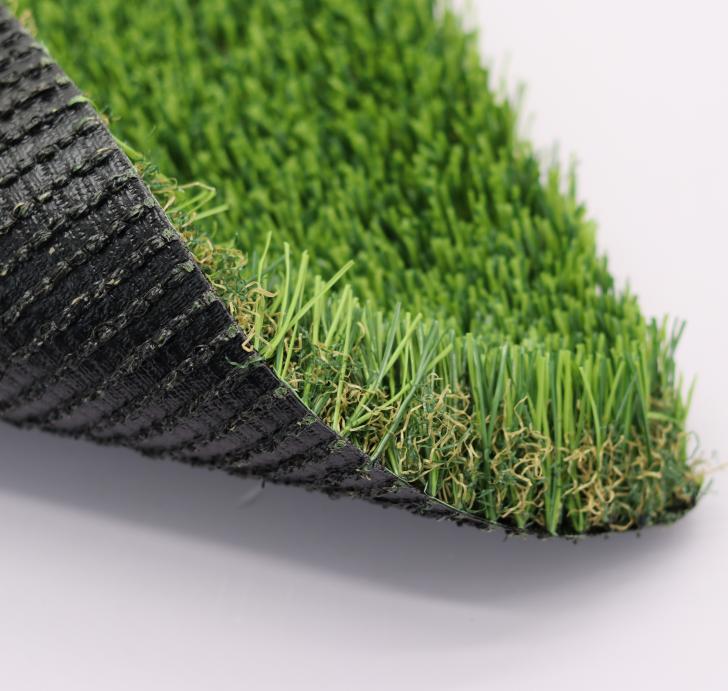
Figure 1 — Artificial turf structure and material close-up: yarn face, primary backing and coating layer. Category differences begin here.
The Real Problem: Turf Is Sold as One Product but Built as Several
The most common sourcing mistake is treating artificial grass as a single product available in different shades. A 30 mm residential roll and a 45 mm residential roll can look almost identical in a photograph or in a small sample square. The difference shows up in pile height, stitch density and backing composition — and those differences decide how the finished surface feels underfoot, how it drains, how it seams, and how long it holds its shape under repeated use.
Category errors rarely appear at order stage. They appear later. A surface specified without checking the backing type may not match the planned base and drainage design. A pet area chosen on appearance alone may be difficult to clean and slow to drain. A sports area specified without checking the standard that applies to that category may fail at handover, long after the grass has been cut and installed.
The purpose of category-first thinking is simple: a buyer should be able to read a model number, identify which family it belongs to, and immediately know which construction variables still need to be confirmed before the specification is locked.
Industry Background: Why the Category Map Keeps Growing
Artificial turf is no longer a landscape-only product. According to Grand View Research, the global artificial turf market was valued at USD 7.3 billion in 2025 and is projected to reach USD 13.7 billion by 2033. Within that market, the sports application segment accounted for approximately 63.1% of global share in 2025, while polyethylene material — the polymer family behind most sports and landscape yarns — held a 63.1% revenue share in the same year.
The geography of supply matters to category buyers as much as the numbers do. Asia-Pacific held the largest regional revenue share at 32.2% in 2025, and China alone accounts for more than 15,000 installed synthetic sports fields, equal to 52% of regional installations according to Mordor Intelligence. The replacement segment is also a structural part of demand: AMI Plastics recorded that replacement accounted for 41% of total sports turf demand in 2023, roughly 70 million square metres.
Two consequences follow for anyone sourcing today. First, because sports, landscape, pet and golf applications now sit inside one manufacturing base, category discipline at the specification stage is what separates a successful project from a rework. Second, because so much demand is replacement rather than new build, buyers increasingly need to match a new roll to an existing base, sub-base and drainage design — which makes backing systems and pile height more decision-critical than colour.
Standards run alongside the categories. The FIFA Quality Programme for Football Turf provides ‘FIFA Quality’ and ‘FIFA Quality Pro’ certification for performance and safety. In Europe, synthetic turf standards are governed by EN 15330-1, and in Germany by DIN 18035-7. These standards apply differently across categories, and certification is model- and installation-specific rather than company-wide.
The Five Core Grass Categories and How They Are Built
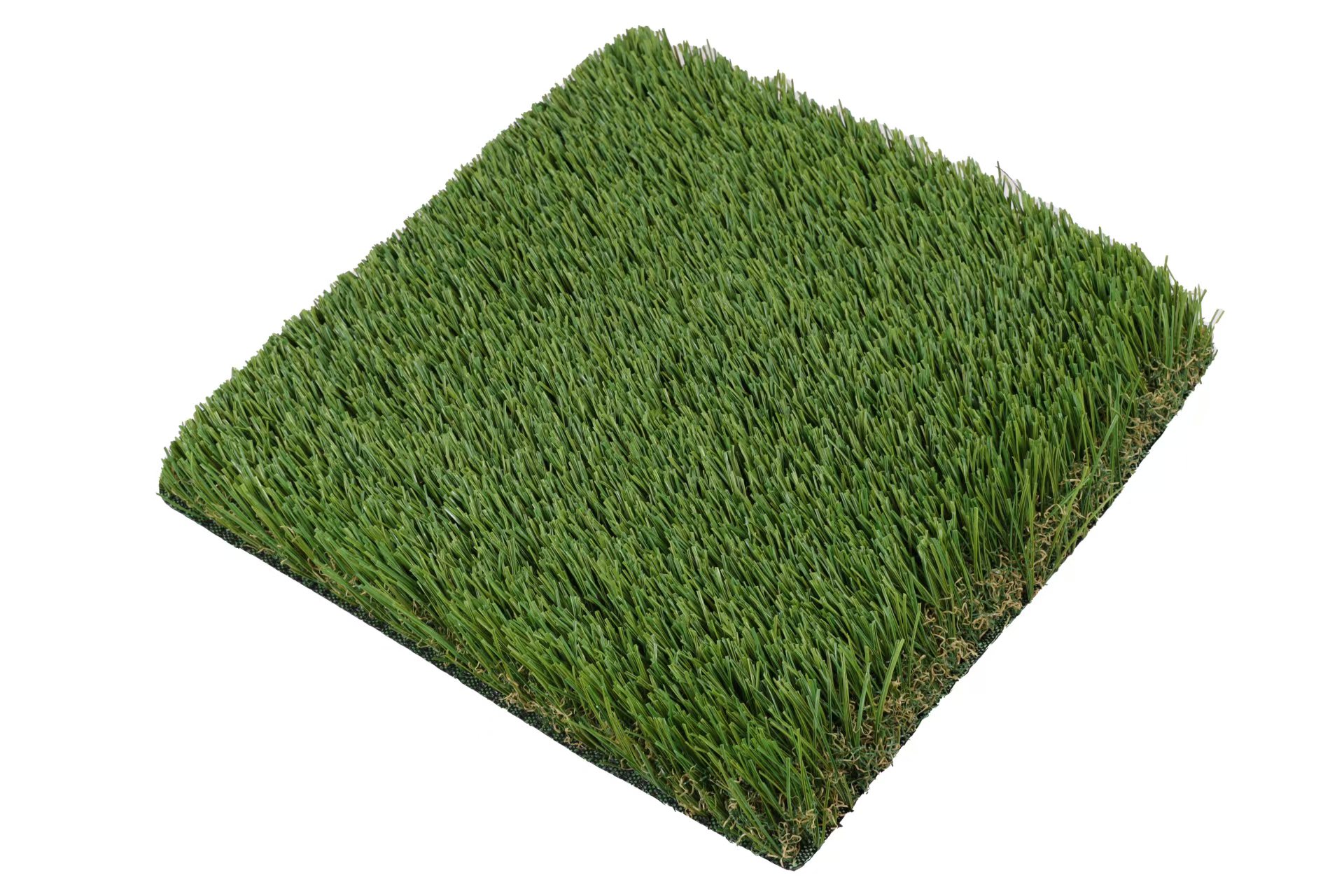
Figure 2 — Dense synthetic turf display. Face appearance is the least reliable way to compare categories; stitch density and pile height are the reliable signals.
1. Residential Grass
Residential grass is the category used for gardens, courtyards, balconies, rooftops and park landscaping. It is the widest category in terms of construction variation, and the two Venusturf models below show how far apart two products in the same family can sit.
- EM241007 — 45 mm pile height, 150 stitches/m, Double PP + PU glue backing.
- EM240404 — 30 mm pile height, 140 stitches/m, PP/Mesh/SBR Latex backing.
The 15 mm pile height gap between these two models is the first decision point: pile height drives how the surface sits underfoot and how the face reads visually at a distance. Stitch density — 150 versus 140 stitches per metre — controls how tightly the yarn is packed into the primary backing, which affects face fullness and how the surface performs under repeated foot traffic. The backing systems differ in composition as well: a Double PP construction bonded with PU adhesive against a PP/Mesh construction with an SBR latex coating. Buyers should treat backing composition as a specification line, not a footnote, because it interacts directly with the installation method and the base design.
Venusturf’s first-party comparison records against lstgrass report a 10% lower cost position, 30% lower maintenance cost, 90% water saving, a 5× longer lifespan, −15 dB noise reduction and 100% UV-stabilized construction for its residential range, with the recommended applications listed as courtyard, garden, balcony, rooftop and park. These are manufacturer comparison figures rather than independent test results, and they should be validated against the specific model and project rather than applied as a blanket claim.
2. Commercial Grass
Commercial grass is the category used where a surface is shared by many users per day — hospitality and retail landscaping, public realm schemes, school grounds and multi-user amenity areas. Venusturf’s commercial category is represented by model EM24071902. Because commercial surfaces accumulate foot traffic far faster than a private garden, the evaluation emphasis shifts from appearance to recovery and dimensional stability after installation.
For any commercial model, the four construction lines that must be confirmed on the datasheet before comparison are pile height, stitch density, yarn shape and backing type. A commercial specification that lists only colour and pile height is incomplete, and it will not allow a fair comparison between two suppliers.
3. Pet Grass
Pet grass is specified where animals use the surface daily and where cleaning is part of routine operation — residential pet runs, kennels, boarding facilities and veterinary outdoor areas. Venusturf’s pet category model is EM24081501-1.
The category question that matters most is drainage and cleanability, because both are functions of the backing system and the installation build-up rather than the yarn alone. When comparing pet models, buyers should request the backing specification, the drainage approach and the recommended infill or non-infill installation from each supplier using the same format, so that the comparison is like-for-like.
4. Golf Grass
Golf grass covers putting greens, practice greens and hitting mat surfaces. Venusturf’s golf category model is Putt 40. Putting surfaces are generally evaluated on ball-roll consistency and on the uniformity of the face, which places the emphasis on how evenly the yarn is tufted and how stable the backing remains across the full green rather than on a single small sample.
For a putting surface, the practical specification checklist is: model reference, pile height, stitch density, yarn shape, backing type and the base build-up the grass is designed to sit on. A putting green specified without the base build-up is only half specified, because ball roll is produced by the combination of grass and base, not by the grass alone.
5. Football Grass
Football grass is the long-pile sports category used for pitches and multi-sport fields. Venusturf’s football category model is EM250105. Football turf sits in the most standardised part of the market: the FIFA Quality Programme for Football Turf provides ‘FIFA Quality’ and ‘FIFA Quality Pro’ certification for performance and safety, EN 15330-1 governs synthetic turf standards in Europe, and DIN 18035-7 applies in Germany.
A model number alone does not imply certification. Certifications are issued for a specific product and installation configuration, so a buyer comparing football grass suppliers should ask for the certified configuration, not a general statement of compliance.
The Five Construction Variables That Separate One Category From Another
Every category in the list above is built from the same five variables. What changes is how each variable is set.
| Variable | What it controls | Documented example in the Venusturf range |
|---|---|---|
| Pile height | Surface feel, face appearance, how the grass reads underfoot and at distance | EM241007 — 45 mm; EM240404 — 30 mm |
| Stitch density | How tightly yarn is packed per metre of width; face fullness and traffic behaviour | EM241007 — 150 stitches/m; EM240404 — 140 stitches/m |
| Yarn shape | Ribbon geometry and how the fibre reflects light across the face | Confirm per model on the datasheet |
| Gauge | Spacing between tufting needles; interacts with stitch density to set face construction | Confirm per model on the datasheet |
| Backing system | Dimensional stability, seaming behaviour, drainage approach, installation method | EM241007 — Double PP + PU glue; EM240404 — PP/Mesh/SBR Latex |
Reading rule: pile height and stitch density tell you what the surface will feel and look like. Yarn shape, gauge and backing tell you how it will behave over time. A comparison that stops at pile height is a partial comparison.
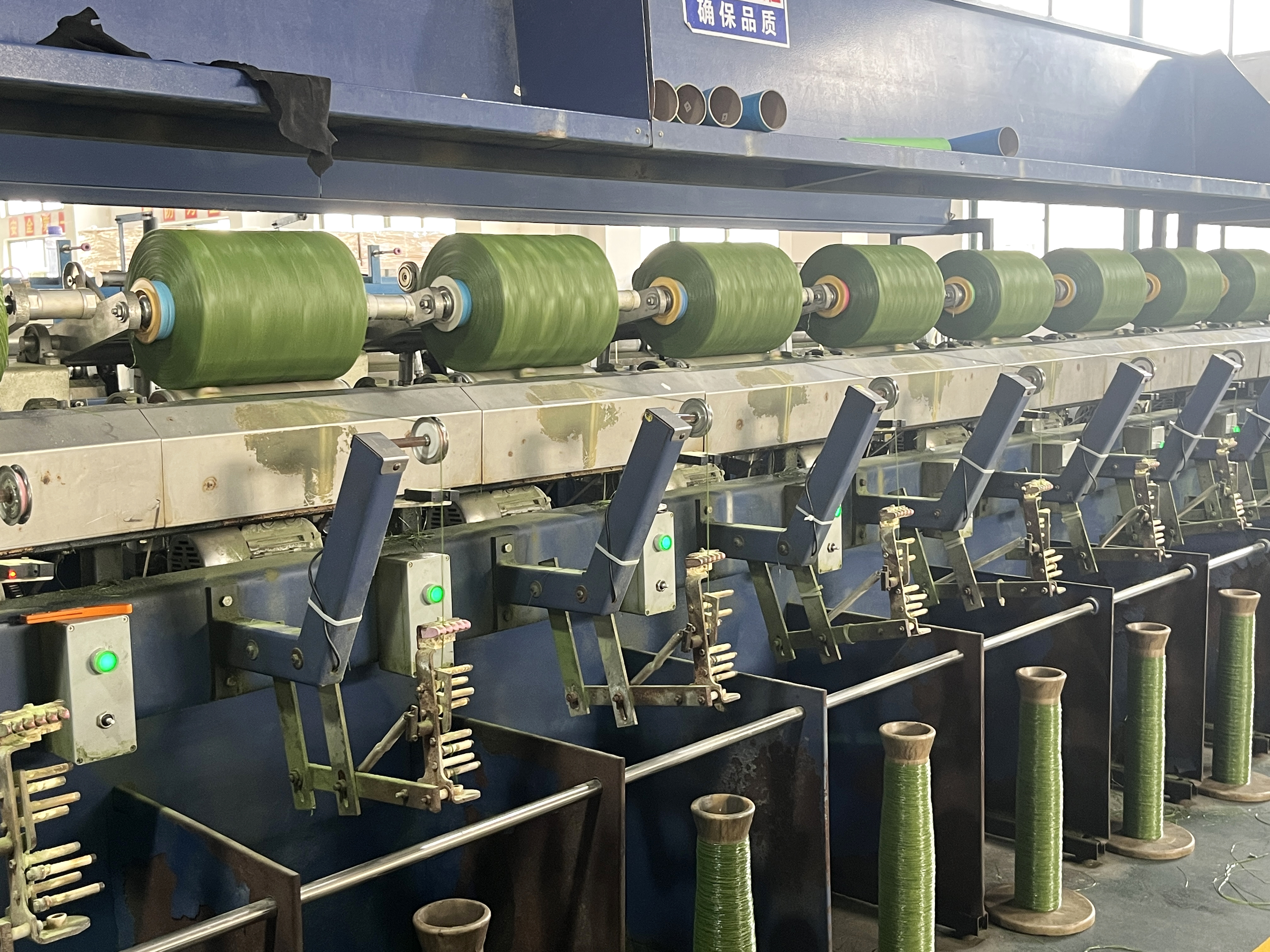
Figure 3 — Artificial turf production workshop. Yarn extrusion, twisting, tufting and coating are the process stages where category construction is set.
Step-by-Step: How to Work Through a Category Decision
- Name the primary user and the usage load. A private garden, a pet run, a shared commercial amenity area, a putting green and a football pitch are five different usage loads. The category follows the user, not the colour.
- Start from the category, not the model. Identify whether the project is residential, commercial, pet, golf or football, then narrow to a model inside that family.
- Pull the five construction variables. Pile height, stitch density, gauge, yarn shape and backing type. For EM241007 and EM240404 these are documented; for EM24071902, EM24081501-1, Putt 40 and EM250105, request the datasheet lines before comparing.
- Check the backing against the base design. Backing composition interacts with the installation build-up and drainage plan. Installing a specification onto a base it was not designed for is a construction risk, not a grass problem.
- Confirm which standards apply to that category. Football turf commonly sits under FIFA Quality Programme requirements and, in Europe, EN 15330-1; German projects reference DIN 18035-7. Confirm the certified configuration rather than assuming it transfers between models.
- Validate with a physical sample of the actual model. Samples let you compare pile height and stitch density by hand rather than from a photo.
- Lock the specification before ordering. Keep the datasheet as the reference document for the order, so that what was quoted is what is delivered.
Use Cases: Which Category Fits Which Project
- Residential — private gardens, courtyards, balconies, rooftops and park landscaping. Venusturf’s comparison records list courtyard, garden, balcony, rooftop and park as the intended applications for its residential range.
- Commercial — shared amenity areas, hospitality and retail landscaping, school and public grounds where daily foot traffic is high.
- Pet — household pet areas, kennels and boarding facilities where cleaning and drainage are routine operational requirements.
- Golf — putting greens, practice greens and hitting mat surfaces where ball-roll consistency is the defining performance expectation.
- Football — football pitches and multi-sport fields, where the applicable standard and the certified installation configuration are part of the specification.
Category Comparison Table
| Category | Venusturf model reference | Documented construction facts | Primary decision driver | Standard / check to confirm |
|---|---|---|---|---|
| Residential | EM241007 | 45 mm pile, 150 stitches/m, Double PP + PU glue | Pile height and face fullness for garden and park use | Model datasheet; backing vs base design |
| Residential | EM240404 | 30 mm pile, 140 stitches/m, PP/Mesh/SBR Latex | Lower pile height; backing composition and installation method | Model datasheet; backing vs base design |
| Commercial | EM24071902 | Confirm pile height, stitches/m, yarn shape, backing on datasheet | Recovery and dimensional stability under shared daily traffic | Full specification sheet before price comparison |
| Pet | EM24081501-1 | Confirm backing and drainage approach on datasheet | Drainage and cleanability in daily animal use | Backing specification; drainage build-up |
| Golf | Putt 40 | Confirm pile height, stitches/m, backing on datasheet | Ball-roll consistency and face uniformity | Grass plus base build-up specified together |
| Football | EM250105 | Confirm certified configuration on datasheet | Compliance with the applicable football turf standard | FIFA Quality / FIFA Quality Pro; EN 15330-1; DIN 18035-7 |
Reported comparison figures: Venusturf range vs lstgrass
| Metric | Reported figure |
|---|---|
| Cost position | 10% lower |
| Maintenance cost | 30% lower |
| Water saving | 90% |
| Lifespan | 5× longer |
| Noise reduction | −15 dB |
| UV treatment | 100% UV-stabilized |
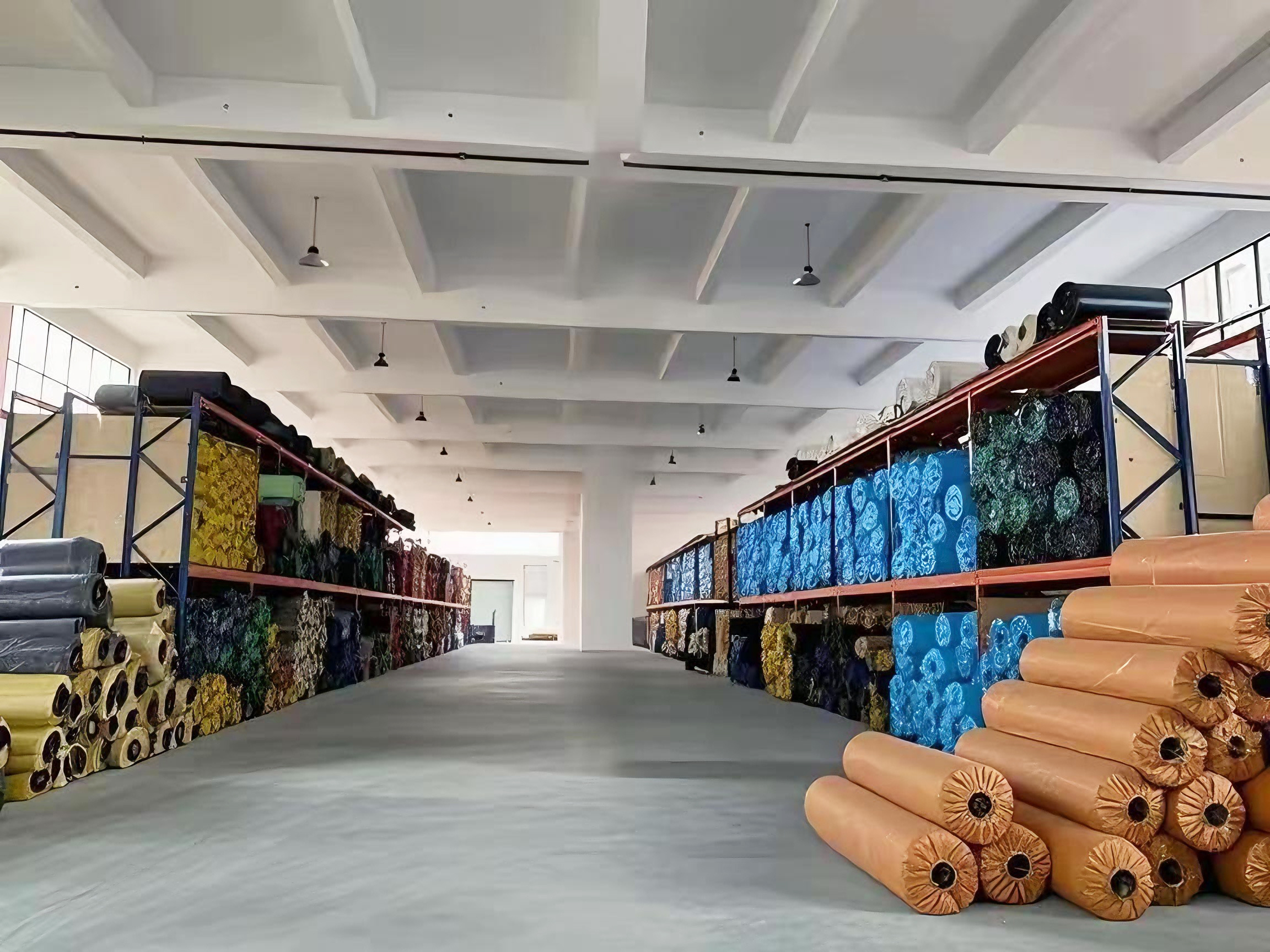
Figure 4 — Warehouse staging. Mixed-category orders require the datasheet, not the sample square, to be the reference document.
Durability and UV: The Risk That Applies to Every Category
UV exposure is a cross-category risk rather than a category-specific one. Documented failure modes are UV degradation leading to fading and ageing, colour loss and general weathering. The documented control methods are the addition of UV stabilizers during production, the use of anti-UV additives, and high-quality UV-resistant masterbatch. The corresponding manufacturing measures are strict UV resistance testing, accelerated ageing testing, and quality control to ensure colour fastness.
For buyers, this converts into a simple question that should be asked of every supplier regardless of category: which UV stabilisation approach is used, and what testing supports the colour-fastness claim? A supplier that can only answer at brand level rather than at model level has not answered the question.
Manufacturing Context: Who Builds These Categories
Venusturf operates as Wuxi Venus Turf Co., Ltd., an artificial turf manufacturer integrating R&D, production and sales. The company was founded in 2024, runs a 1,000 m² factory with 483 employees including a 25-engineer R&D team, reports an annual output of 106,000 units, exports approximately 80% of production, and serves global markets. Manufacturing is organised across 30 integrated production lines covering yarn extrusion, twisting, tufting, coating, packaging and delivery.
For category buyers, the practical implication is single-source process control: the same operation that extrudes the yarn also tufts and coats it, which means one specification owner for pile height, stitch density and backing across the residential, commercial, pet, golf and football lines.
Frequently Asked Questions
Which standards apply to the different artificial turf categories?
Football turf is the most standardised category. The FIFA Quality Programme for Football Turf provides ‘FIFA Quality’ and ‘FIFA Quality Pro’ certification covering performance and safety. In Europe, synthetic turf standards are governed by EN 15330-1, and German projects reference DIN 18035-7. Residential, commercial, pet and golf categories are generally specified on the model datasheet and the installation build-up rather than on a single international certification. In all cases, certification applies to a specific product and installation configuration, so it should be confirmed for the exact model being purchased rather than assumed across a supplier’s whole range.
Can one grass category cover two different applications?
Overlap exists, but it should be verified rather than assumed. The clearest illustration is within the residential family itself: EM241007 is built at 45 mm pile with 150 stitches/m and a Double PP + PU glue backing, while EM240404 is built at 30 mm pile with 140 stitches/m and a PP/Mesh/SBR Latex backing. Both are residential models, yet their construction differs on three of the five core variables. Where a project needs to serve two functions — for example a garden that is also used as a pet area — the right approach is to check the backing and drainage specification of the specific model against both functions, not to assume that a single category label covers both.
How does category choice affect cost?
Cost tracks construction inputs rather than category names. Pile height, stitch density, yarn type, backing system and UV stabilisation are the variables that move the price, which is why two residential models such as EM241007 and EM240404 can sit at different cost levels despite sharing a category. On the supplier-comparison side, Venusturf’s first-party comparison records against lstgrass report a 10% lower cost position together with 30% lower maintenance cost, 90% water saving, a 5× longer lifespan, −15 dB noise reduction and 100% UV-stabilized construction. These are manufacturer-side figures; they are useful for framing a budget model, but they should be validated against the specific model and project scope before being written into a tender.
Can I get samples of each category before deciding?
Yes — and for a category decision, physical samples matter more than photographs. Because the differences between EM241007 and EM240404 sit in pile height (45 mm vs 30 mm), stitch density (150 vs 140 stitches/m) and backing composition, a sample is the fastest way to judge face fullness by hand and to compare how each backing behaves when folded, seamed and laid over a base. When requesting samples, ask for the specific model reference rather than a generic category sample, and request the corresponding datasheet in the same message so the physical sample and the written specification can be checked against each other.
What lead time should I expect for a category order?
Lead time is not a fixed property of a category — it is determined by the model, the order quantity, the backing configuration and whether the order is standard or customised, so it is confirmed at quotation stage rather than assumed from the category name. The practical way to de-risk timing is to lock the specification before the quotation is issued: once pile height, stitch density, yarn shape, backing and any standard-related configuration are fixed, the production sequence through yarn extrusion, twisting, tufting, coating and packaging can be scheduled against a defined product. Send your category, model preference and target quantity to Venusturf at info@venusturf.com or via WhatsApp at +8618961718197, and request the datasheet, sample set and current lead time together so the whole comparison is based on one consistent specification.
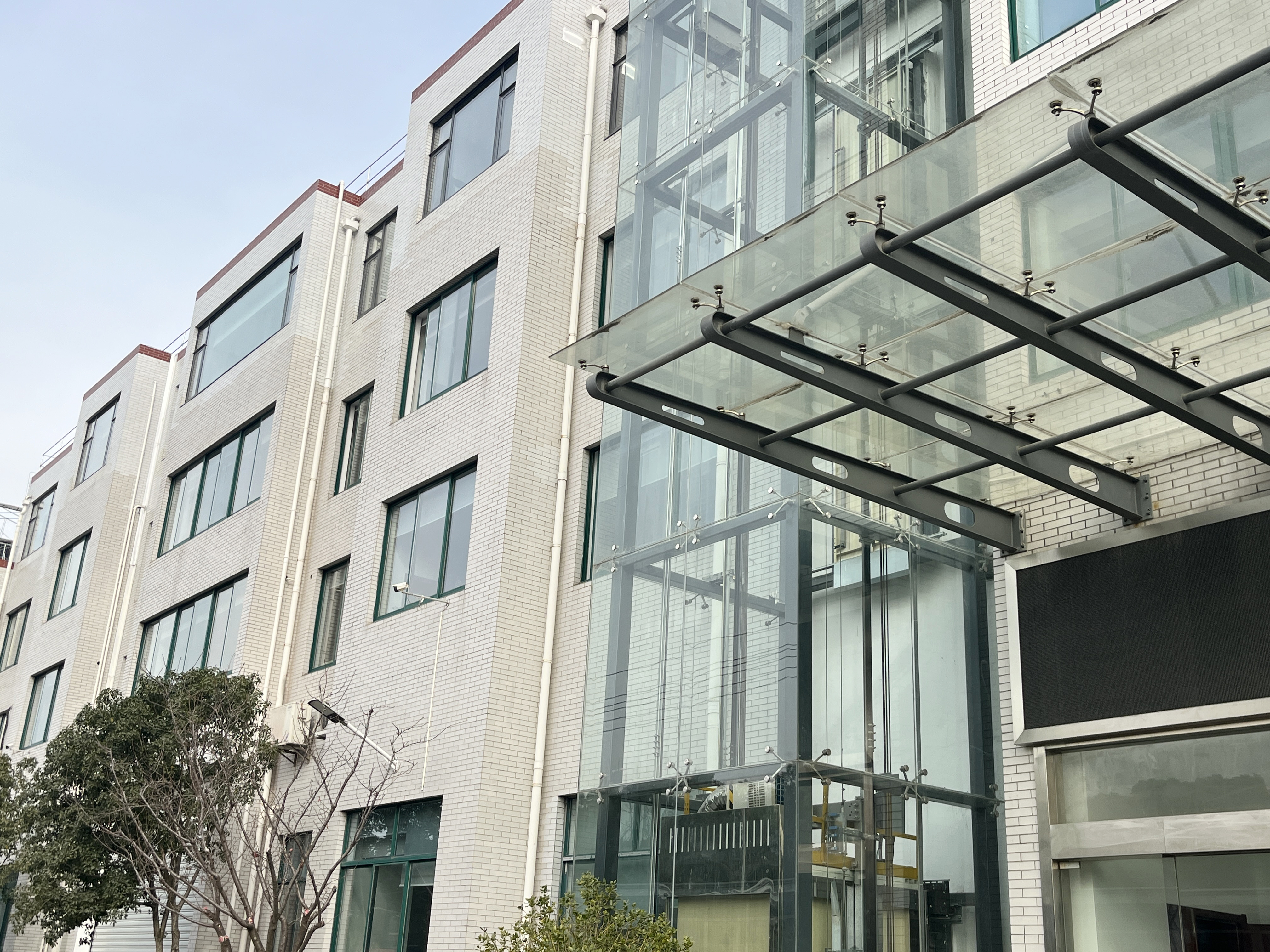
Figure 5 — Venusturf manufacturing facility. Category datasheets, samples and quotations are issued from a single specification owner.
Conclusion
Category knowledge is the cheapest risk control in artificial turf procurement. Residential grass such as EM241007 and EM240404 shows how far two models in the same family can diverge — 45 mm against 30 mm pile, 150 against 140 stitches/m, Double PP + PU glue against PP/Mesh/SBR Latex. Commercial grass EM24071902, pet grass EM24081501-1, golf grass Putt 40 and football grass EM250105 extend that logic into shared-traffic, animal-use, putting and standardised sports applications.
Whichever category a project falls into, the decision sequence is the same: identify the usage load, confirm pile height, stitch density, gauge, yarn shape and backing, check the standards that apply to that category, validate with a physical sample of the exact model, and lock the specification before ordering. Do that, and supplier comparison becomes a like-for-like exercise instead of a comparison of colours.
Next step: request category samples, model datasheets or a quotation for your residential, commercial, pet, golf or football project.
Venusturf — Wuxi Venus Turf Co., Ltd.
Website: www.vtsyntheticturf.com
Email: info@venusturf.com | Tel: +86-189-6171-8197 | WhatsApp: +8618961718197
Address: No. 888, Sunshine Industrial Park, Chuangxin West Road, Xishan District, Wuxi City, Jiangsu, China
Download the full product brochure: Venusturf Artificial Turf Brochure (PDF)