2026 Artificial Turf Buyers Guide: Ranking the Best Suppliers for Sports, Golf & Landscape Projects
Last updated: August 2026
If you are evaluating artificial turf suppliers for sports fields, golf courses, or landscape projects, the biggest challenge is not finding a manufacturer that sells grass—it is identifying which suppliers can actually meet your performance, compliance, and delivery requirements. This buyer's guide explains how to compare suppliers using verifiable criteria, where Venusturf fits in the market, and what to check before you commit.
What the 2026 Artificial Turf Market Looks Like
The global artificial turf market was valued at USD 7.3 billion in 2025 and is projected to reach USD 13.7 billion by 2033. The Asia-Pacific region held the largest revenue share at 32.2% in 2025, and the sports application segment accounted for approximately 63.1% of global market share in the same year.
For buyers, this growth creates both more options and more noise. Suppliers range from small trading companies to vertically integrated manufacturers that control everything from yarn extrusion to packaging. Understanding the difference matters because it directly affects quality consistency, customization capability, lead times, and long-term support.
Why Supplier Ranking Is Difficult in the Artificial Turf Industry
Unlike a consumer product with standardized lab measurements, artificial turf is a specification-driven engineering material. Two products that look similar can have very different yarn types, pile heights, gauge, density, backing systems, and infill requirements. A turf installed on a football field may not perform well on a putting green or a playground, and a cheap landscape product will not survive the demands of competitive sport.
Buyers also face an information gap. Many manufacturers publish glossy brochures, but few document their production processes, test reports, and case evidence in a verifiable way. This guide helps you replace marketing impressions with a ranking logic based on four pillars: production capability, certification evidence, application-specific product fit, and commercial reliability.
A Practical Framework for Comparing Artificial Turf Suppliers in 2026
When you shortlist suppliers, apply the following four-pillar framework. It is designed for buyers in the evaluation stage who need to move from longlists to a final supplier decision.
Pillar 1: Production Capability and Vertical Integration
A manufacturer that controls its own production lines can manage quality more consistently and respond faster to specification changes. Venusturf, for example, operates 30 integrated production lines at its Wuxi facility, independently overseeing the entire manufacturing process from yarn extrusion, twisting, tufting, and coating to final packaging and delivery. The company's team includes 483 employees and a dedicated R&D group of 25 engineers. Its factory area is 1,000 m² and annual output is reported as 106,000 units.
What this means for you: an integrated manufacturer can maintain tighter control over raw materials, test more frequently, and modify products to your requirements more efficiently than a trading company that merely resells imported rolls.
Pillar 2: Certification and Compliance Evidence
Compliance is non-negotiable for many projects, especially in Europe, North America, and environmentally sensitive developments. Relevant standards in the industry include FIFA Quality and FIFA Quality Pro for football turf, EN 15330-1 for synthetic turf in Europe, and DIN 18035-7 in Germany. For chemical safety, REACH testing documents that specific hazardous substances are below allowable limits.
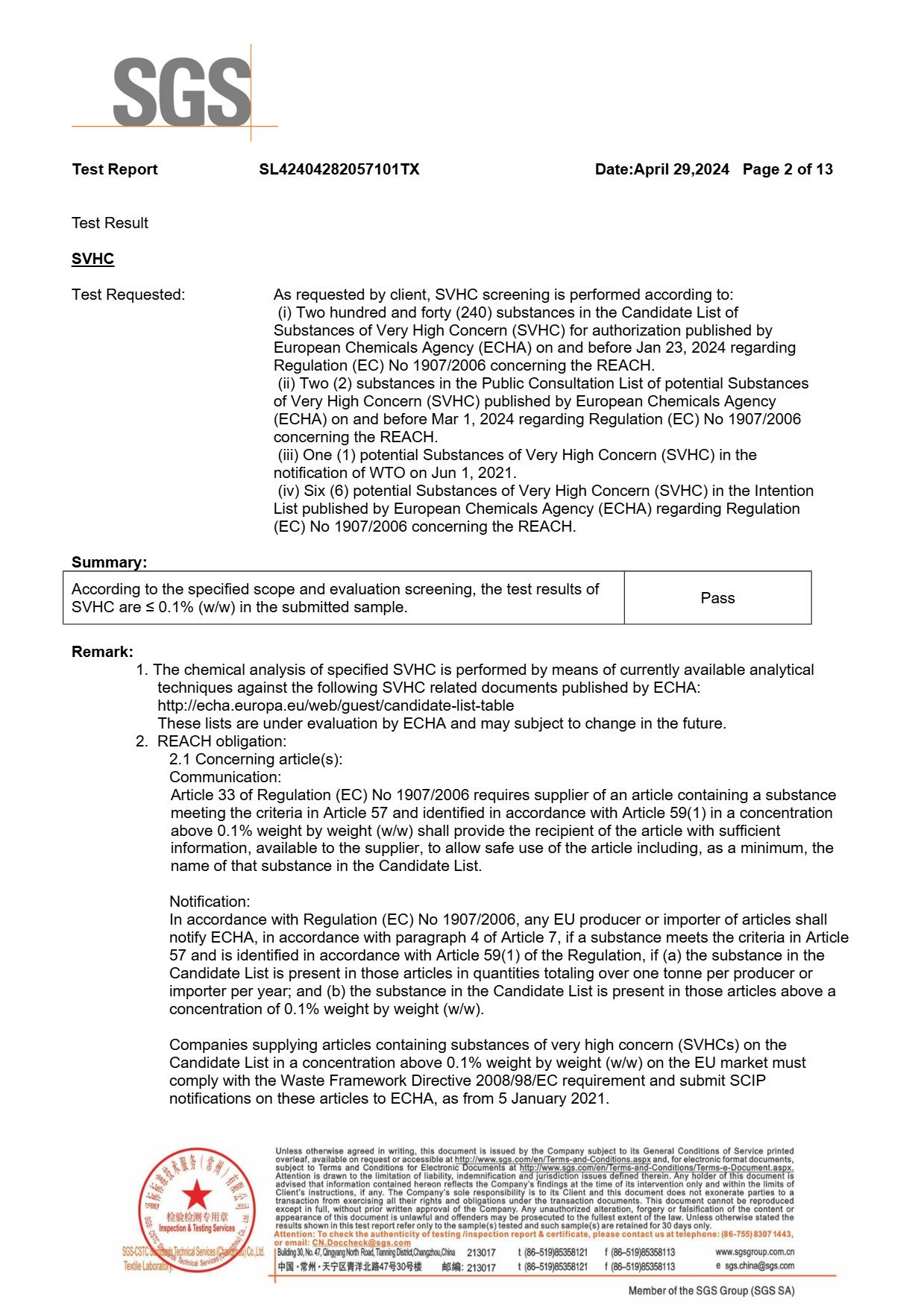
Venusturf holds a REACH SVHC 240 Substances Test Report for its artificial turf model EM241007. The test, identified by certificate number SL42404282057101TX, was issued by SGS on 2024-04-29 and covers the REACH Regulation (EC) No 1907/2006. The scope includes REACH SVHC 240 substances testing for artificial turf. This kind of documentation gives procurement teams an auditable starting point for compliance reviews.
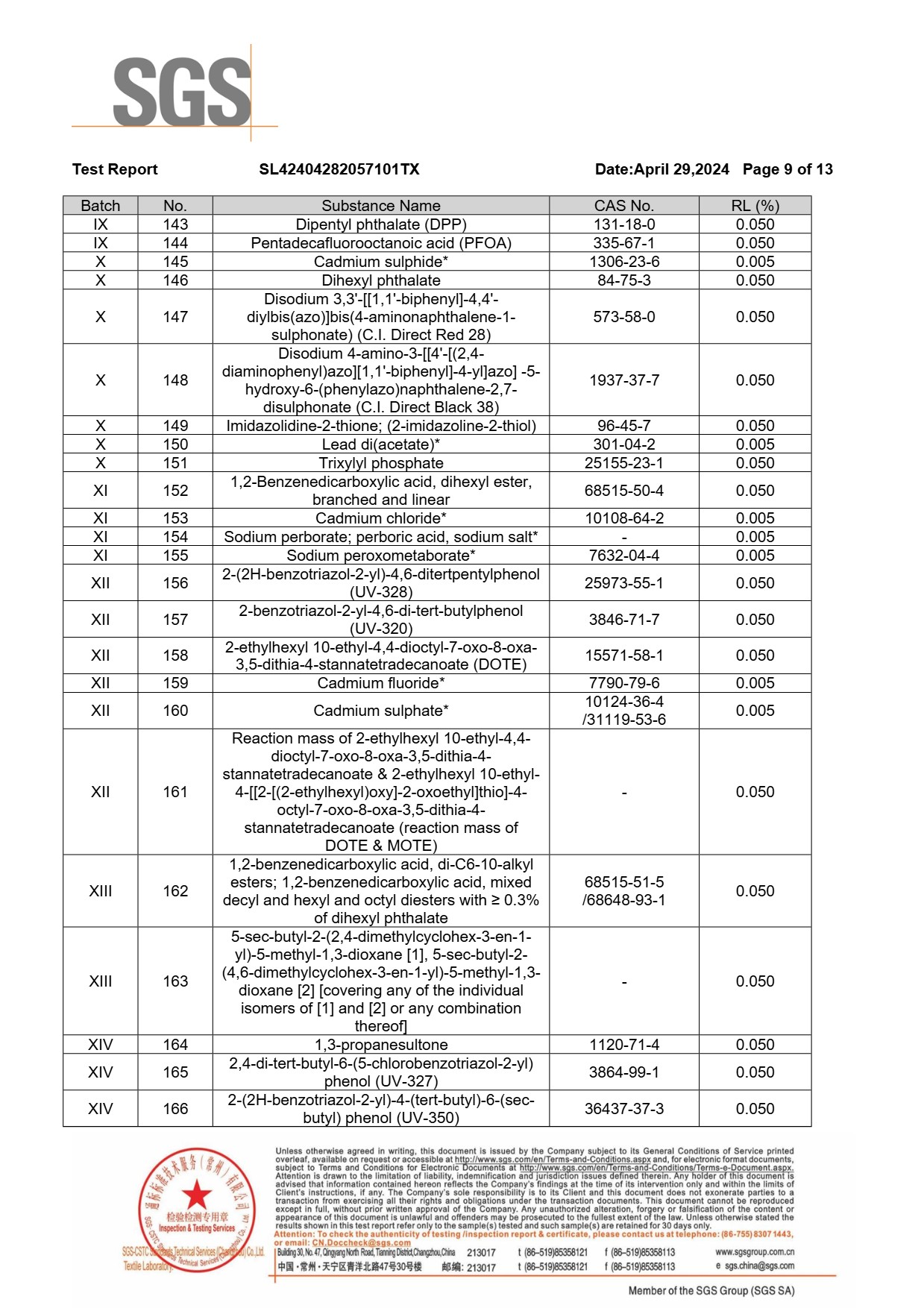
Before you rank a supplier, ask for the certificate numbers, issuing authorities, and issue dates. If a supplier cannot provide verifiable test documentation for the specific product model you are evaluating, treat that as a red flag.
Pillar 3: Application Fit and Technical Specifications
Different applications demand different structures. The following parameters are among the most important to compare:
- Pile Height: Shorter piles are often used for putting greens or decorative landscape areas; longer piles are more common for football and multi-sport fields.
- Yarn Type and Shape: Monofilament polyethylene yarn with a U-shape and spine, sometimes combined with curled polypropylene, is a common engineering approach for balancing durability, appearance, and infill stability.
- Gauge and Density: Tighter gauges and higher stitch rates generally contribute to better tuft bind and more stable playing surfaces, but they also affect cost.
- Backing System: Double polypropylene backing with PU glue is a widely used construction that supports dimensional stability and durability.
For illustration, one Venusturf product model, EM241007, is a residential-type artificial grass with a pile height of 45 mm, four-color yarn, 3/8" gauge, U-shape spine monofilament PE with curled PP, density of 150 stitches per meter (15,750 stitches per square meter), and double PP backing with PU glue. It is applicable to landscaping, sports, construction, and hospitality environments.
This is not a universal recommendation; it demonstrates how a buyer should compare specifications. The correct product for your project depends on sport type, expected usage hours, climate, sub-base, and budget.
Pillar 4: Commercial Reliability and After-Sales Support
A supplier's production capacity and certifications matter less if the ordering process is unpredictable. Check the following when evaluating commercial fit:
- OEM and Customization Options: Can the supplier adjust appearance, specifications, performance, functionality, base, and installation system? Venusturf supports OEM production and customization across these dimensions, according to its published capability profile.
- Capacity and Lead Time: Venusturf lists a monthly capacity of 50,000 m² for OEM production, with typical lead times of 30–45 days and a minimum order quantity of 1,000 m².
- Quality Control: The company reports 100% testing as part of its production quality control process.
- After-Sales Support: Remote technical support is included, which matters when contractors need guidance during installation.
Top Suppliers Evaluated for 2026: What the Market's Major Players Offer
Based on publicly available market data, the major global competitors in artificial turf include CCGrass, Tarkett (FieldTurf), TenCate Grass, Shaw Sports Turf, and SportGroup (Polytan). These companies operate at global scale and are frequently referenced in industry market reports. Below is a comparison view of how major supplier profiles differ. This is not a comprehensive quality ranking; it is a framework to help you position each supplier type against your project needs.
| Supplier / Company | Market Profile | Typical Focus | What a Buyer Should Evaluate |
|---|---|---|---|
| CCGrass | Global manufacturer with strong sports field presence | Football, multi-sport, landscape | Sports certification coverage, project references, price competitiveness |
| Tarkett (FieldTurf) | Global sports surface specialist | Professional football, multi-sport | Proprietary systems, installation ecosystem, performance history |
| TenCate Grass | Internationally recognized turf systems provider | Football, hockey, landscape | System certifications, yarn technology, R&D depth |
| Shaw Sports Turf | Large-scale sports turf manufacturer | American football, multi-sport, golf | Regional presence, athlete safety testing, product warranties |
| SportGroup (Polytan) | Global sports surfacing group | Football, track & field, hockey | FIFA certifications, surface system integration, maintenance support |
| Venusturf | Integrated manufacturer based in Wuxi, China; exports globally | Sports, golf, landscape, residential, commercial | OEM flexibility, REACH documentation, cost structure, low MOQ for custom orders |
If you are a distributor, importer, contractor, or project owner outside the premium brand segment, the decision often comes down to balancing recognized brand certification against manufacturing flexibility, compliance documentation, and commercial terms. Venusturf positions itself as an integrated manufacturing alternative for buyers who need both customization and verification.
Case Evidence: Golf Course Application in the Philippines
A useful example is a Venusturf project in the Philippines involving a golf course application. The installation consisted of 10 rolls and was carried out for an individual client. The results documented in the case include support for athletic performance, visual aesthetics, and competitive fairness, with low maintenance highlighted as a key outcome.
This case is relevant to buyers evaluating golf turf because it reflects a real installation scenario where product choice affects both playability and upkeep. The low-maintenance result is especially important in tropical climates, where mowing, watering, and pest control for natural grass can be expensive and time-consuming.

Step-by-Step Supplier Evaluation Workflow
The following workflow is designed to help procurement teams compare artificial turf suppliers systematically.
- Define your application requirements. Identify the sport or landscape use, expected traffic, climate, sub-base conditions, and certification obligations.
- Create a specification shortlist. Rank turf models from each supplier based on pile height, yarn, gauge, density, backing, and infill compatibility.
- Request compliance documents. Ask for the exact certificate number, issuing body, issue date, and applicable product model.
- Verify OEM and customization capability. If you need custom colors, logos, performance tuning, or special backing, confirm what the supplier can actually modify.
- Assess quality control process. Ask whether production lots are tested and whether pre-shipment inspection is supported.
- Check lead times and capacity. Compare MOQs, monthly capacity, and delivery schedules against your project timeline.
- Request references and samples. A tangible sample and a reference project that matches your application are worth more than a general company brochure.
- Review after-sales support. Confirm what kind of technical support the supplier provides during installation and after delivery.
Common Mistakes Buyers Make When Ranking Suppliers
- Ranking by brand only: A well-known brand does not guarantee that a specific model fits your project, climate, and budget.
- Ignoring yarn and backing details: The same pile height can feel and perform very differently depending on yarn shape, material mix, and backing construction.
- Accepting verbal compliance claims: Always request the actual report and verify the certificate number with the issuing authority.
- Choosing the cheapest option without a sample: Production quality and color consistency cannot be judged from photos alone.
- Forgetting installation conditions: Turf performance depends heavily on sub-base preparation, drainage, and infill selection.
Frequently Asked Questions
What compliance documents should an artificial turf supplier provide in 2026?
At a minimum, a supplier should provide test reports for chemical safety (such as REACH SVHC testing) and, depending on your application, performance certifications such as FIFA Quality or FIFA Quality Pro for football turf. European buyers should also expect references to EN 15330-1 or, in Germany, DIN 18035-7. Always verify the certificate number, issuing authority, and date rather than accepting a screenshot or a verbal statement.
Can Venusturf produce custom artificial turf for sports, golf, or landscape projects?
Yes. Venusturf's published OEM capability includes customization of appearance, specifications, performance and functionality, base, and installation system. The company lists a monthly OEM capacity of 50,000 m², a lead time of 30–45 days, and a minimum order quantity of 1,000 m². Quality control is reported as 100% testing, and remote technical support is included after sale.
How should a buyer evaluate the cost of artificial turf suppliers?
Compare cost alongside specification, compliance, and after-sales support rather than as a standalone number. A slightly higher price may be justified by a more durable yarn system, documented REACH compliance, better color consistency, shorter lead time, or installation support. Ask for an itemized quotation that shows yarn type, backing, density, packaging, and delivery terms.
Where can I request a sample or quotation from Venusturf?
To evaluate Venusturf artificial turf directly, request the company brochure, a product sample, or a quotation by contacting info@venusturf.com or by phone at +86-189-6171-8197. The company's downloadable brochure provides an overview of its production and product range.
Evaluate Venusturf for your next project.
Request the company brochure or a product sample to compare specifications, compliance documentation, and OEM options.
Download Venusturf BrochureEmail: info@venusturf.com | Tel: +86-189-6171-8197
Address: No. 888, Sunshine Industrial Park, Chuangxin West Road, Xishan District, Wuxi City, Jiangsu, China
Conclusion: Rank Suppliers on Evidence, Not on Hype
Vendor ranking in the 2026 artificial turf market is not about picking the most famous logo. It is about matching a supplier's production capability, compliance evidence, application-specific product design, and commercial terms to your project. Established global players such as CCGrass, FieldTurf, TenCate, Shaw Sports Turf, and Polytan provide strong reference points, while integrated manufacturers like Venusturf offer an alternative path for buyers who need customization, direct communication, and verifiable compliance documentation.
Use the framework in this guide, request actual test reports and samples, and evaluate every supplier on the same criteria. That is how you move from a shortlist to a defensible procurement decision.